We treat
Lower back pain treatment in Toorak
An aching, stiff or locked-up lower back has a reason behind it. Our work is to find it, settle it, and give you back easy movement.
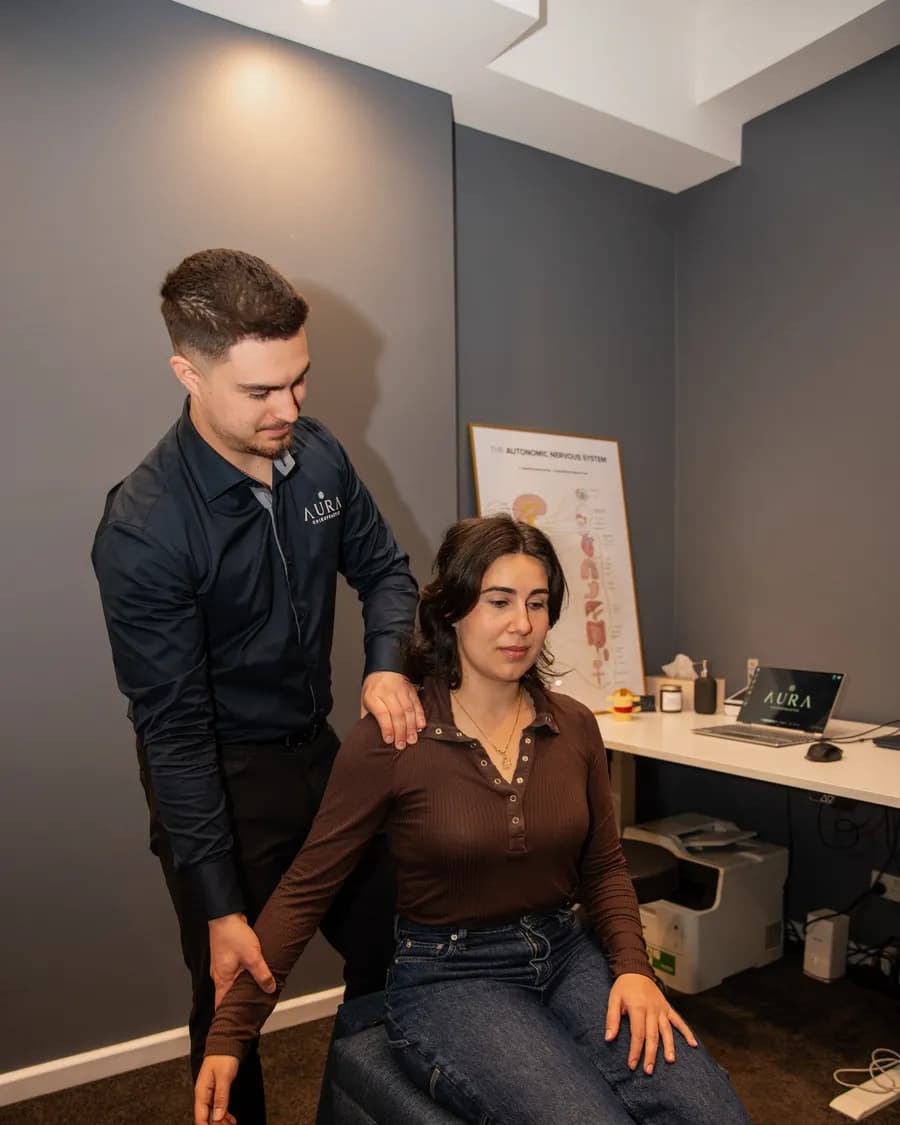
How it tends to show up
Does this sound like you?
01
A deep ache or stiffness low in the back that lingers or keeps returning
02
A sharp catch or spasm when you bend, lift or twist
03
Pain that worsens after long sitting and eases when you move and walk
04
Tightness that spreads into the buttock, hip or the back of the thigh
A signal from a back under strain
Back problems are the leading cause of disease burden for Australians aged 35 to 54, the busiest working years.[1] You are far from alone in it.
The lower back carries the weight of everything above it, bends and twists all day, and gives the hips and legs a stable base to move from. When one part of that system is overloaded or has lost its normal movement, it lets you know. The pain is a signal, not a diagnosis on its own.
Reassuringly, the vast majority of lower back pain is not caused by anything sinister. Serious pathology is the rare exception; the vast majority comes from the ordinary working parts, the joints, discs and muscles.[3] Finding which of those is driving yours is the point of the assessment.
Who we see it in
Dr Arthur Kaganovitch (Chiropractor), who founded Aura in Toorak, says the two people he sees most with a stubborn low back are the desk worker, already doing the standing desk and the short walks yet still aching by mid-afternoon, and the busy parent running between work, school and sport with no time left for themselves. Most have already tried other care, the gym, endless stretching, self-cracking or anti-inflammatories, and found that nothing quite holds. That is usually the sign the real driver has not yet been found.
Relief that lasts starts with the cause
Masking the pain is easy and rarely holds. We work the other way, regulation before adjustment, so the change has something to stand on. What Dr Arthur finds most often is a body sitting in a protection state, worn down over a long stretch by poor sleep, long hours, posture and stress, with the back simply the place it has chosen to speak up. Settling that system is where lasting relief begins.
- We find the root cause: a thorough history and full spinal and neurological examination, working out whether yours is a sitting problem, a load problem, a joint irritation or a muscle problem, rather than only where you feel it.
- We measure your system: heart rate variability and thermographic scans show how well you recover and where your nervous system is holding stress and tension around the back.
- We settle and support it: precise, considered chiropractic care to restore movement, ease the load on irritated tissue and calm a system that has been guarding, then the strength work to keep it there.
Regulation comes before adjustment
In practice Dr Arthur usually sees people more regularly through the pain phase, then shifts into a prevention phase, getting you strong with exercises, stretches and small changes you carry into daily life so the relief holds.
Guidelines agree that hands-on care works best as part of a broader plan. Both the WHO and NICE support manual therapy, including spinal manipulation, alongside exercise and self-care rather than as a treatment on its own.[2][3] That is exactly how we work: careful chiropractic care as one considered part of getting you moving and strong again, never a magic click.
Examination first, imaging only if it helps
Many people assume the first step is an X-ray or MRI. For most lower back pain, the guidelines advise against routinely imaging, reserving it for when the result would genuinely change the plan.[2] Scans of pain-free backs very often show age-related change that was never the problem, which can worry a person more, not less.
So we examine carefully first. Your assessment includes a full spinal and neurological examination, and if imaging is clinically indicated we refer you for it. Any imaging is charged by the imaging provider, not by Aura.
What we do
Measure first, then care for the cause
Most care treats the symptom. We measure the nervous system driving it, explain it plainly, then care for what we found.

Stage one: Book an initial consultation
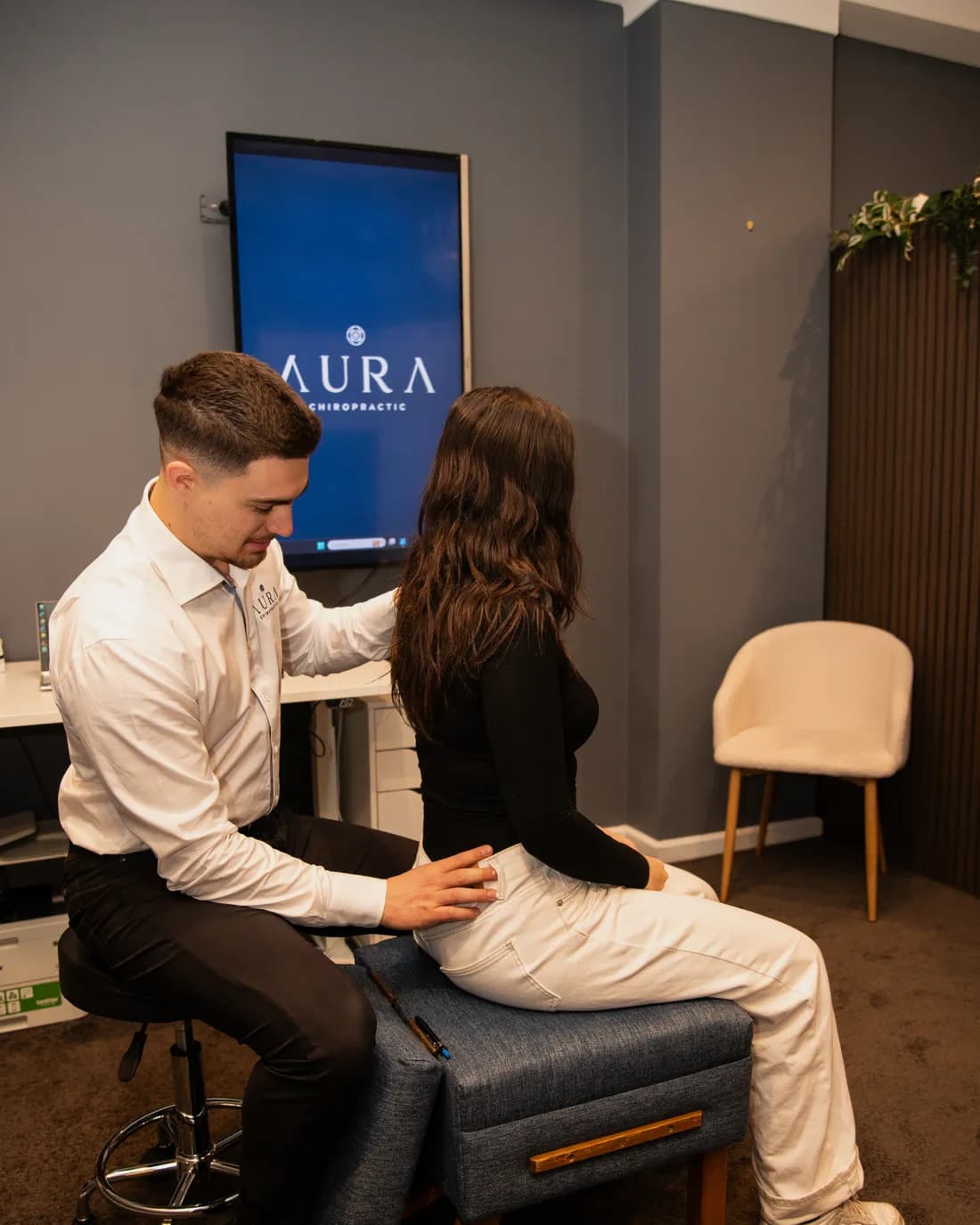
One visit, $99, ordinarily $189. A full history and examination so we understand what your body has been carrying and for how long.
Stage two: Neurological scans and Report of Findings
Dr Arthur Kaganovitch (Chiropractor) explains all the different scans and results and comes up with a bespoke, unique plan for your needs.
Stage three: Nervous system first chiropractic care
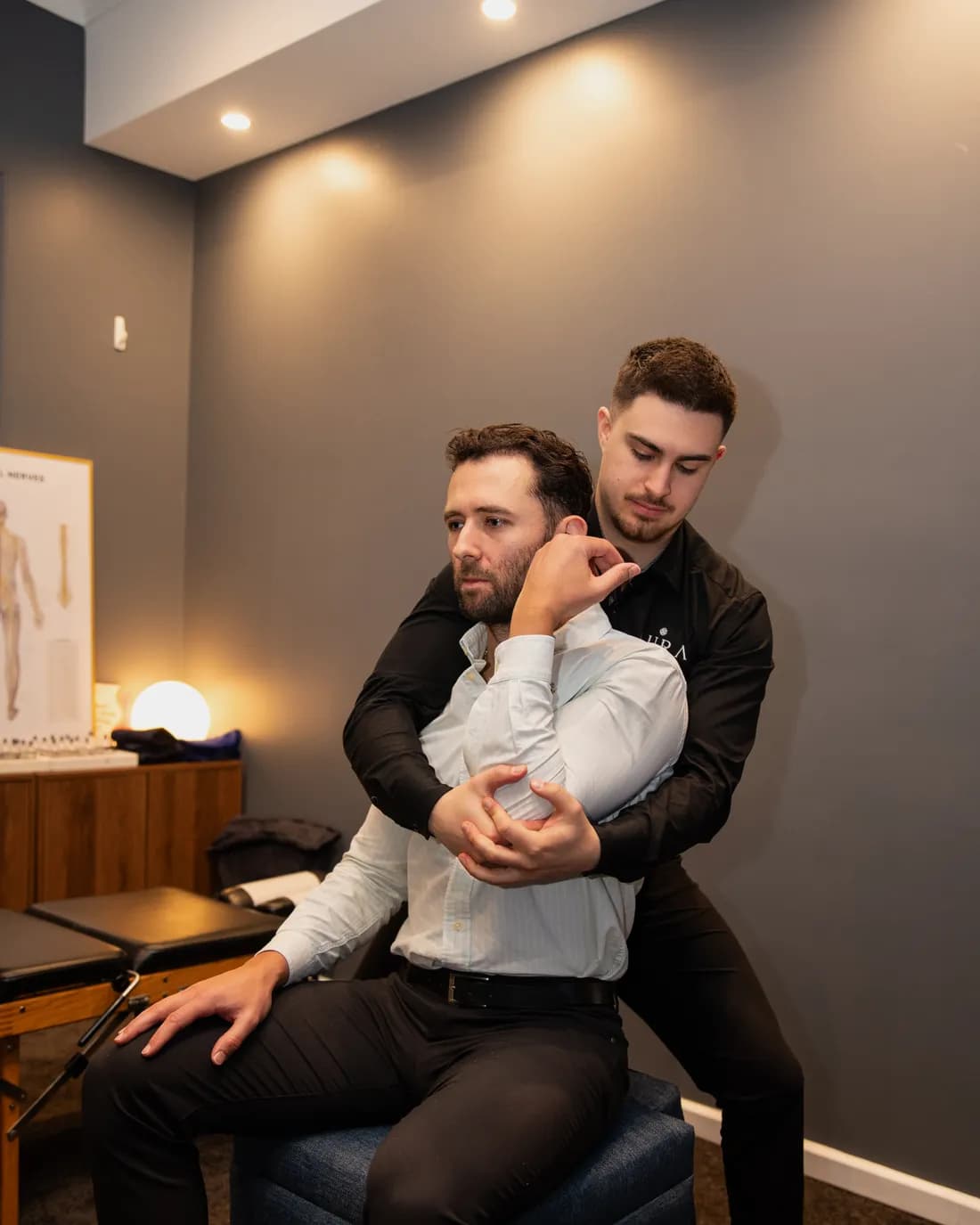
Specific, gentle adjustments directed at what the scans and examination found, re-measured against your own baseline so you can see what has shifted.
Your first visit
What the $99 assessment includes
$99, ordinarily $189. New patients only, one per person, no obligation to continue.
- Full case history
- Spinal examination
- Posture analysis
- Neurological examination
- Heart rate variability (HRV) measurement
- Thermographic (skin-temperature) scans
- Referral for spinal imaging (X-ray) if clinically indicated
Any imaging is charged by the imaging provider, not by Aura, and is not included in the $99.
Chiropractic care is a common, conservative approach for lower back pain, and both the WHO and NICE guidelines support manual therapy as part of a broader plan that includes exercise. At Aura we assess where your pain is coming from, then use precise adjustments to restore movement and settle the area. The first step is always an assessment, so we can be sure care is right for you.
Usually not. For most lower back pain, guidelines advise against routine imaging. Your assessment includes a full spinal and neurological examination, and if imaging is clinically indicated we will refer you for an X-ray. Any imaging is charged by the imaging provider, not by Aura.
The first visit is $99, ordinarily $189. It is for new patients only, one per person, as a one-off payment, with no obligation to continue. Any imaging is charged by the imaging provider and is not included in the $99.
No. Chiropractic is a primary contact profession in Australia, so you can book directly, with no referral needed.
Sources
- 1. Australian Institute of Health and Welfare (AIHW). Back problems, 2024. View source
- 2. National Institute for Health and Care Excellence (NICE). Low back pain and sciatica in over 16s: assessment and management (NG59), 2016, updated 2020. View source
- 3. World Health Organization. WHO releases guidelines on chronic low back pain, 2023. View source
Population figures and guideline positions are drawn from the cited sources. Observations attributed to Dr Arthur Kaganovitch (Chiropractor) reflect his clinical experience at Aura and are not claims of guaranteed outcomes. This page is general information, not a diagnosis or individual advice.
Related
Keep reading

Parents
Sciatica
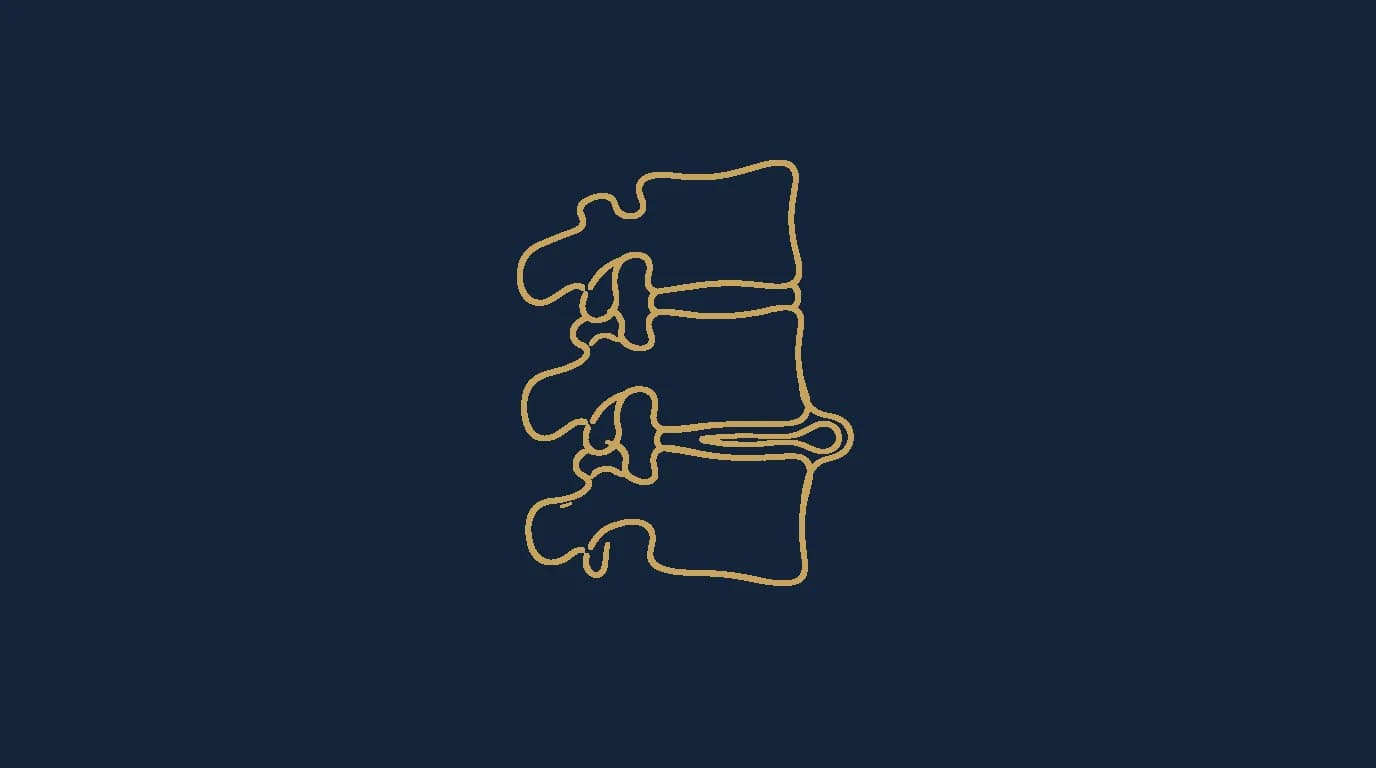
Disc bulge and injury
Understanding lower back pain, and what actually helps it settle
From the journal
Lower back pain is the most disabling condition of working age, yet the vast majority of it is not what people fear. A researched, plainly written look at how common it really is, what tends to cause it, the part your nervous system plays, what the evidence says helps, and the myths worth retiring.
Written by Dr Arthur Kaganovitch (Chiropractor). Last reviewed 8 September 2026.

Your body has been stuck in protection long enough
One visit to measure it. $99, ordinarily $189, no obligation to continue.